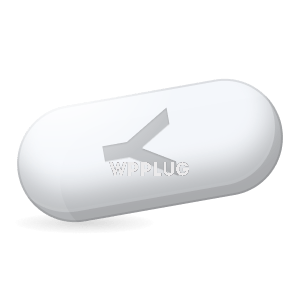
Xyzal
| Product dosage: 10mg | |||
|---|---|---|---|
| Package (num) | Per pill | Price | Buy |
| 20 | $2.50 | $50.00 (0%) | 🛒 Add to cart |
| 30 | $2.20 | $75.00 $66.00 (12%) | 🛒 Add to cart |
| 60 | $1.90 | $150.00 $114.00 (24%) | 🛒 Add to cart |
| 90 | $1.60 | $225.00 $144.00 (36%) | 🛒 Add to cart |
| 120 | $1.30 | $300.00 $156.00 (48%) | 🛒 Add to cart |
| 180 | $1.00 | $450.00 $180.00 (60%) | 🛒 Add to cart |
| 270 | $0.80 | $675.00 $216.00 (68%) | 🛒 Add to cart |
| 360 | $0.70
Best per pill | $900.00 $252.00 (72%) | 🛒 Add to cart |
| Product dosage: 5mg | |||
|---|---|---|---|
| Package (num) | Per pill | Price | Buy |
| 60 | $0.78 | $47.00 (0%) | 🛒 Add to cart |
| 90 | $0.63 | $70.50 $57.00 (19%) | 🛒 Add to cart |
| 120 | $0.53 | $94.00 $64.00 (32%) | 🛒 Add to cart |
| 180 | $0.47 | $141.00 $85.00 (40%) | 🛒 Add to cart |
| 270 | $0.40 | $211.50 $108.00 (49%) | 🛒 Add to cart |
| 360 | $0.35
Best per pill | $282.00 $126.00 (55%) | 🛒 Add to cart |
Synonyms | |||
Xyzal: Advanced 24-Hour Relief from Allergic Rhinitis and Chronic Hives
Xyzal (levocetirizine dihydrochloride) is a modern, prescription-strength antihistamine designed to provide sustained, 24-hour relief from the most challenging allergy symptoms and chronic idiopathic urticaria. As the active enantiomer of cetirizine, it delivers targeted histamine H1-receptor blockade with enhanced efficacy and a favorable pharmacokinetic profile. This medication represents a significant advancement in allergy management, offering patients robust symptom control with once-daily dosing convenience. Its well-established safety profile makes it suitable for long-term management of allergic conditions in appropriate patient populations.
Features
- Active ingredient: Levocetirizine dihydrochloride 5 mg per tablet
- Pharmacological class: Second-generation antihistamine, H1-receptor antagonist
- Dosage form: Film-coated tablets for oral administration
- Dosing frequency: Once daily (24-hour coverage)
- Onset of action: Within 1 hour for most patients
- Duration of effect: Full 24-hour symptom control
- Bioavailability: Rapid and complete absorption
- Protein binding: Approximately 90%
- Metabolism: Minimal hepatic metabolism (does not involve CYP450 system)
- Elimination: Primarily renal excretion (85% unchanged)
- Half-life: 8-9 hours in adults with normal renal function
- Pregnancy category: B (animal studies show no risk, but human data limited)
- Storage requirements: Room temperature (15-30°C/59-86°F) in original container
Benefits
- Provides comprehensive 24-hour relief from nasal and ocular allergy symptoms including sneezing, rhinorrhea, nasal congestion, and itchy/watery eyes
- Effectively manages chronic idiopathic urticaria (hives) by reducing wheal formation and pruritus
- Demonstrates superior receptor binding affinity compared to first-generation antihistamines
- Minimal sedative effects due to reduced blood-brain barrier penetration
- Convenient once-daily dosing regimen improves medication adherence
- Suitable for long-term management of chronic allergic conditions
Common use
Xyzal is primarily indicated for the relief of symptoms associated with perennial and seasonal allergic rhinitis in adults and children 6 years of age and older. This includes symptoms such as sneezing, rhinorrhea (runny nose), itchy nose/palate/throat, nasal congestion, and ocular symptoms (itching, redness, tearing). Additionally, it is approved for the treatment of uncomplicated skin manifestations of chronic idiopathic urticaria in adults and children 6 years of age and older. Clinical studies have demonstrated its efficacy in reducing wheal and flare responses in urticaria patients. The medication is particularly valuable for patients who require consistent, around-the-clock allergy control without the sedating effects associated with first-generation antihistamines.
Dosage and direction
The recommended dosage for adults and children 12 years and older is 5 mg (one tablet) once daily in the evening. For children 6 to 11 years, the recommended dosage is 2.5 mg (one-half tablet) once daily in the evening. Administration should occur at approximately the same time each day to maintain consistent therapeutic levels. The tablets should be taken with or without food, swallowed whole with water, and not crushed or chewed. For patients with renal impairment (creatinine clearance 30-49 mL/min), the recommended dose is 2.5 mg once daily. For severe renal impairment (creatinine clearance 10-29 mL/min), the recommended dose is 2.5 mg every other day. The medication is not recommended for patients with end-stage renal disease (creatinine clearance <10 mL/min) or those undergoing hemodialysis.
Precautions
Patients should be advised that Xyzal may cause drowsiness or somnolence, although this occurs less frequently than with first-generation antihistamines. Activities requiring mental alertness, such as operating machinery or driving, should be undertaken with caution until the patient’s response to the medication is known. Concurrent use with alcohol or other central nervous system depressants may enhance the sedative effects. Renal function should be assessed before initiation and periodically during treatment, particularly in elderly patients. Patients with predisposing factors for urinary retention (e.g., prostatic hyperplasia) should use with caution due to anticholinergic effects. The medication should be used during pregnancy only if clearly needed, and caution should be exercised when administering to nursing women, as levocetirizine is excreted in human milk.
Contraindications
Xyzal is contraindicated in patients with known hypersensitivity to levocetirizine, cetirizine, or any component of the formulation. It is also contraindicated in patients with end-stage renal disease (creatinine clearance <10 mL/min) and those undergoing hemodialysis. Patients with rare hereditary problems of galactose intolerance, Lapp lactase deficiency, or glucose-galactose malabsorption should not take this medication due to the lactose content in the tablet formulation. The medication is not recommended for children under 6 years of age due to limited safety and efficacy data in this population.
Possible side effects
The most commonly reported adverse reactions (≥2% and greater than placebo) in clinical trials included somnolence (6% vs 2% placebo), nasopharyngitis (4% vs 3%), fatigue (3% vs 1%), dry mouth (3% vs 1%), and pharyngitis (2% vs 1%). Less common side effects include dizziness, headache, nausea, and abdominal pain. In pediatric patients 6-12 years, the most common adverse reactions were pyrexia, somnolence, pharyngitis, and epistaxis. Rare but serious adverse effects may include hypersensitivity reactions (angioedema, bronchospasm, anaphylaxis), seizures, and hepatitis. Patients should discontinue medication and seek immediate medical attention if they experience difficulty breathing, swelling of the face/lips/tongue/throat, or severe skin reactions.
Drug interaction
Levyocetirizine has a low potential for drug interactions due to minimal hepatic metabolism and lack of CYP450 enzyme inhibition. However, concomitant use with CNS depressants (alcohol, benzodiazepines, opioids, barbiturates, sedating antidepressants) may enhance sedative effects. Theoretically, medications that inhibit renal tubular secretion (e.g., probenecid) may increase levocetirizine concentrations. No clinically significant interactions have been observed with theophylline, ketoconazole, erythromycin, or azithromycin. Patients taking MAO inhibitors should use caution due to potential anticholinergic effects. Always inform healthcare providers of all medications, including over-the-counter products and herbal supplements.
Missed dose
If a dose is missed, it should be taken as soon as remembered unless it is almost time for the next scheduled dose. In that case, the missed dose should be skipped, and the regular dosing schedule resumed. Patients should not double the dose to make up for a missed dose. Maintaining a consistent dosing schedule is important for optimal symptom control, but occasional missed doses are unlikely to significantly impact overall efficacy due to the medication’s 24-hour duration of action.
Overdose
In case of suspected overdose, symptomatic and supportive treatment is recommended. Symptoms may include drowsiness, agitation, restlessness, and in children, initially agitation and restlessness followed by drowsiness. Gastric lavage may be considered if performed soon after ingestion. There is no specific antidote for levocetirizine overdose. Hemodialysis is unlikely to be effective due to high protein binding. Patients should be monitored for at least 24 hours due to the drug’s half-life of 8-9 hours. Standard supportive measures including vital sign monitoring and maintenance of airway patency should be implemented as needed.
Storage
Store Xyzal tablets at room temperature between 15-30°C (59-86°F) in their original container. Protect from moisture and light. Keep the bottle tightly closed and out of reach of children. Do not use if the seal under the cap is broken or missing. Do not transfer tablets to other containers, as this may affect stability. Proper disposal of expired or unused medication should follow local regulations, typically through medication take-back programs or by mixing with undesirable substance and placing in sealed container in household trash.
Disclaimer
This information is provided for educational purposes only and does not constitute medical advice. Xyzal is a prescription medication that should be used only under the supervision of a qualified healthcare professional. Individual results may vary, and not all patients will experience the same benefits or side effects. Patients should always consult with their healthcare provider before starting, stopping, or changing any medication regimen. The full prescribing information contains complete details regarding indications, contraindications, warnings, and precautions.
Reviews
Clinical studies demonstrate that Xyzal provides significant improvement in allergy symptoms compared to placebo. In randomized controlled trials, patients taking levocetirizine showed 40-50% greater improvement in total symptom scores than placebo groups. Quality of life assessments indicate meaningful improvements in sleep quality and daytime functioning. The majority of patients report satisfaction with the 24-hour symptom control and minimal side effect profile. Healthcare providers appreciate the predictable pharmacokinetics and favorable safety record, particularly for long-term management of chronic allergic conditions. Real-world evidence supports the clinical trial data, with many patients reporting successful management of previously difficult-to-control allergy symptoms.