Tiova Inhaler: Precision Bronchodilation for COPD Control
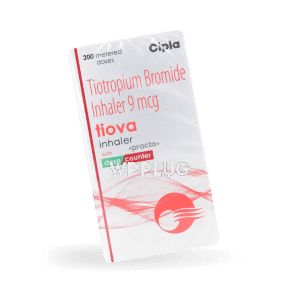
Tiova Inhaler
| Product dosage: 200 MD | |||
|---|---|---|---|
| Package (num) | Per inhaler | Price | Buy |
| 6 | $12.67 | $76.00 (0%) | 🛒 Add to cart |
| 10 | $9.50
Best per inhaler | $126.67 $95.00 (25%) | 🛒 Add to cart |
Tiova Inhaler (Tiotropium Bromide) is a long-acting muscarinic antagonist (LAMA) inhaler designed for the maintenance treatment of bronchospasm associated with chronic obstructive pulmonary disease (COPD), including chronic bronchitis and emphysema. It provides sustained bronchodilation by targeting airway smooth muscle, offering patients a cornerstone therapy for daily symptom management and improved lung function. Its once-daily dosing regimen supports adherence, while its specific mechanism of action helps reduce the frequency of exacerbations and improve exercise tolerance. This medication is a critical tool in the long-term management strategy for stable COPD, aiming to enhance quality of life through consistent airway control.
Features
- Contains Tiotropium Bromide, a long-acting anticholinergic bronchodilator
- Delivered via a breath-actuated, pre-metered soft mist inhaler for efficient lung deposition
- Provides 24-hour bronchodilation with a single daily dose
- Each actuation delivers 2.5 mcg of Tiotropium (equivalent to 3.124 mcg of Tiotropium Bromide)
- Designed with a dose indicator to track remaining medication
- Requires minimal inspiratory effort for effective drug delivery
Benefits
- Sustained improvement in lung function (FEV1) over 24 hours, reducing daily breathlessness
- Decreases the frequency and severity of COPD exacerbations, potentially reducing hospitalizations
- Enhances exercise capacity and overall quality of life by maintaining open airways
- Once-daily dosing supports treatment adherence and simplifies management routines
- Targeted action with minimal systemic side effects when used as prescribed
- Helps reduce the need for rescue inhalers, providing more consistent symptom control
Common use
Tiova Inhaler is indicated for the long-term, once-daily maintenance treatment of bronchospasm associated with chronic obstructive pulmonary disease (COPD). It is not intended for immediate relief of acute bronchospasm or as a rescue medication. It is commonly prescribed for patients with moderate to severe COPD who require regular bronchodilator therapy to manage persistent symptoms such as dyspnea, cough, and sputum production. The inhaler is typically used as part of a comprehensive COPD management plan that may include other maintenance medications, pulmonary rehabilitation, and smoking cessation support.
Dosage and direction
The recommended dosage for adults is one inhalation (2.5 mcg Tiotropium) once daily, at the same time each day. Administer using the following technique:
- Hold the inhaler upright with the cap closed.
- Open the cap until it clicks, exposing the mouthpiece.
- Breathe out fully, away from the inhaler.
- Place the mouthpiece between lips, ensuring a tight seal.
- While breathing in slowly and deeply through the mouth, press the dose release button.
- Hold breath for 10 seconds or as long as comfortable.
- Exhale slowly away from the inhaler.
- Close the cap until it clicks.
The inhaler should be primized before first use by releasing three doses into the air. Rinse the mouth with water after each use to reduce the risk of oropharyngeal side effects.
Precautions
- Not for use in the treatment of acute bronchospasm; always keep a fast-acting rescue inhaler available
- Use with caution in patients with narrow-angle glaucoma, prostatic hyperplasia, or bladder neck obstruction due to anticholinergic effects
- Monitor for signs of paradoxical bronchospasm; discontinue immediately if it occurs
- May cause dizziness or blurred vision; caution advised when driving or operating machinery
- Not recommended for patients with severe hypersensitivity to milk proteins (contains lactose)
- Use during pregnancy only if clearly needed; consult risk-benefit with healthcare provider
- Regular assessment of COPD status and inhaler technique is recommended during treatment
Contraindications
- Hypersensitivity to Tiotropium Bromide, atropine or its derivatives, or any component of the formulation
- Patients with a history of hypersensitivity reactions to ipratropium
- Not indicated for the initial treatment of acute episodes of bronchospasm
- Severe renal impairment (creatinine clearance <30 mL/min) unless potential benefit justifies potential risk
Possible side effects
Common side effects (≥1/100) may include:
- Dry mouth
- Pharyngitis
- Sinusitis
- Constipation
- Upper respiratory tract infection
- Dyspepsia
- Headache
Less common side effects may include:
- Tachycardia
- Palpitations
- Urinary retention
- Glaucoma (in predisposed patients)
- Allergic reactions including skin rash, itching, and angioedema
- Paradoxical bronchospasm
- Cough, hoarseness
- Dizziness, blurred vision
Drug interaction
- Concurrent use with other anticholinergic-containing drugs may potentiate adverse effects
- May interact with drugs metabolized by CYP450 2D6 and 3A4 systems, though clinical significance is low
- Use caution with beta-blockers as they may antagonize bronchodilator effects
- No clinically significant interactions observed with commonly used COPD medications including sympathomimetic bronchodilators, methylxanthines, or oral steroids
- Diuretics may increase the risk of hypokalemia when used with high doses of beta-agonists
Missed dose
If a dose is missed, it should be taken as soon as remembered on the same day. However, if it is nearly time for the next scheduled dose, skip the missed dose and resume the regular dosing schedule. Do not double the dose to make up for a missed one. Maintaining a consistent daily routine is important for optimal COPD control.
Overdose
Overdose may result in exaggerated anticholinergic effects including: dry mouth, visual accommodation disturbances, tachycardia, urinary retention, and constipation. Severe overdose may lead to QT prolongation, central nervous system effects, or worsening of narrow-angle glaucoma. Treatment is symptomatic and supportive. There is no specific antidote for Tiotropium overdose. Dialysis is not effective due to high protein binding and extensive tissue distribution.
Storage
Store at room temperature (15-30°C) in a dry place. Protect from freezing and excessive heat. Keep the inhaler in the sealed foil pouch until first use. After opening, use within 3 months. Do not puncture or incinerate even after use. Keep out of reach of children and pets. The dose indicator shows when approximately 30 doses remain and when the inhaler is empty.
Disclaimer
This information is for educational purposes only and does not replace professional medical advice. Always consult a healthcare provider for diagnosis and treatment of medical conditions. Do not initiate or discontinue medication without medical supervision. Individual response to medication may vary based on health status, comorbidities, and other factors. Full prescribing information should be reviewed before use.
Reviews
“After switching to Tiova, my morning symptoms have significantly improved. The once-daily dosing is convenient and I’ve noticed reduced rescue inhaler use.” - James L., COPD patient for 8 years
“As a pulmonologist, I find Tiova provides consistent bronchodilation with good patient tolerance. The soft mist delivery is particularly beneficial for patients with poor inspiratory effort.” - Dr. A. Sharma, MD
“Noticeable improvement in exercise tolerance within two weeks of starting therapy. Dry mouth was initially bothersome but diminished over time.” - Margaret T., age 67
“The dose indicator is helpful for adherence monitoring. Patients appreciate not having to guess when to refill.” - Respiratory Therapist, University Hospital