Spiriva: Long-Term COPD Control for Improved Breathing
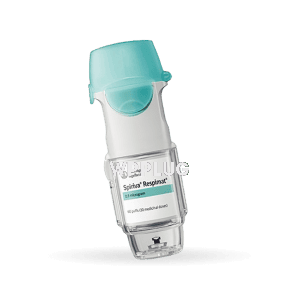
Spiriva
| Product dosage: 18 mcg | |||
|---|---|---|---|
| Package (num) | Per cap | Price | Buy |
| 30 | $3.00 | $90.00 (0%) | 🛒 Add to cart |
| 60 | $2.40 | $180.00 $144.00 (20%) | 🛒 Add to cart |
| 120 | $2.17 | $360.00 $261.00 (28%) | 🛒 Add to cart |
| 180 | $2.12 | $540.00 $381.00 (29%) | 🛒 Add to cart |
| 270 | $1.74
Best per cap | $810.00 $470.00 (42%) | 🛒 Add to cart |
Synonyms | |||
Spiriva (tiotropium bromide) is a long-acting muscarinic antagonist (LAMA) inhalation powder indicated for the long-term, once-daily maintenance treatment of bronchospasm associated with chronic obstructive pulmonary disease (COPD), including chronic bronchitis and emphysema. It is a cornerstone maintenance therapy designed to improve lung function, reduce exacerbations, and enhance overall quality of life for patients managing this progressive respiratory condition. By targeting the underlying bronchoconstriction, it provides sustained 24-hour bronchodilation with a single daily dose.
Features
- Contains tiotropium bromide monohydrate as the active pharmaceutical ingredient.
- Delivered via the HandiHaler® dry powder inhalation device.
- Each hard capsule contains a powder formulation for inhalation only (18 mcg per capsule).
- Designed for once-daily dosing, providing 24-hour coverage.
- Not indicated for the initial treatment of acute bronchospasm.
Benefits
- Sustained Bronchodilation: Provides 24-hour improvement in lung function (FEV1) to help patients breathe more freely throughout the day and night.
- Reduced Exacerbation Risk: Clinically proven to decrease the rate of COPD exacerbations, which are associated with disease progression and increased mortality.
- Improved Exercise Tolerance: By reducing airflow limitation, it can help increase patients’ capacity for physical activity and daily tasks.
- Enhanced Quality of Life: Consistent control of symptoms like dyspnea, wheezing, and cough contributes to greater patient well-being and independence.
- Convenient Dosing Regimen: The once-daily schedule improves adherence compared to multiple-daily therapies.
Common use
Spiriva is prescribed for the long-term, maintenance treatment of airflow obstruction in patients with Chronic Obstructive Pulmonary Disease (COPD). It is a foundational therapy used to control symptoms, improve exercise capacity, and prevent exacerbations. It is not a rescue medication and should not be used for the immediate relief of acute breathing problems.
Dosage and direction
The recommended dosage of Spiriva is the inhalation of the contents of one 18 mcg capsule, once daily, using the HandiHaler® inhalation device. The dose should be taken at the same time each day. It is for oral inhalation only; the capsules must not be swallowed.
Administration Instructions:
- Immediately before use, peel back the foil of a single blister to remove one capsule. Do not store a removed capsule; use immediately.
- Open the HandiHaler® device by lifting the mouthpiece cover and then pulling the piercing button upward until it is fully vertical.
- Place the capsule squarely in the center chamber. Do not place it in the mouthpiece.
- Firmly close the mouthpiece until a click is heard, leaving the piercing button upright.
- Hold the device with the mouthpiece facing down. Exhale fully away from the mouthpiece.
- Place the mouthpiece between your lips, forming a tight seal, and inhale slowly and deeply at a rate sufficient to hear the capsule vibrate.
- Hold your breath for as long as is comfortable (5-10 seconds), then exhale away from the device.
- To ensure the full dose is received, inhale again from the device without pressing the piercing button again.
- Open the mouthpiece to check if any powder remains. If powder remains, close the mouthpiece and take a third inhalation.
- After use, discard the empty capsule and close the mouthpiece cover.
Precautions
- Paradoxical Bronchospasm: Can occur with inhaled medicines. If it occurs immediately after administration, treatment should be discontinued immediately and alternative therapy instituted.
- Worsening of Narrow-Angle Glaucoma: Use with caution in patients with narrow-angle glaucoma. Instruct patients to consult a physician immediately if signs or symptoms of acute narrow-angle glaucoma develop (e.g., eye pain or discomfort, blurred vision, visual halos or colored images, red eyes with corneal edema).
- Worsening of Urinary Retention: Use with caution in patients with prostatic hyperplasia or bladder-neck obstruction. Instruct patients to consult a physician immediately if signs or symptoms develop.
- Immediate Hypersensitivity Reactions: Immediate hypersensitivity reactions, including angioedema, may occur after administration. Discontinue Spiriva at once and consider alternative therapy.
- Renal Impairment: Patients with moderate to severe renal impairment (creatinine clearance ≤50 mL/min) should be monitored closely, as tiotropium is primarily eliminated renally.
Contraindications
Spiriva is contraindicated in patients with a history of hypersensitivity to tiotropium bromide, atropine or its derivatives, including ipratropium, or to any component of the product.
Possible side effect
The most common adverse reactions (≥3% incidence and greater than placebo) are:
- Dry mouth
- Upper respiratory tract infection
- Pharyngitis
- Sinusitis
- Non-specific chest pain
Other reported side effects include:
- Constipation
- Increased heart rate (tachycardia)
- palpitations
- Urinary retention
- Blurred vision
- Glaucoma
- Epistaxis (nosebleeds)
- Allergic reactions (rash, pruritus, urticaria)
- Dizziness
- Hoarseness
Drug interaction
While formal drug interaction studies have not been performed, anticholinergic-containing drugs should be co-administered with caution due to the potential for additive synergistic effects, which may increase the risk of side effects such as dry mouth, constipation, and urinary retention. Spiriva can be used concomitantly with other drugs commonly used in COPD management, including sympathomimetic bronchodilators, methylxanthines, and oral or inhaled steroids, without expected interactions.
Missed dose
If a dose is missed, it should be taken as soon as remembered on the same day. The next dose should be taken at the usual time the following day. Do not double the dose to make up for a missed one.
Overdose
An overdose is unlikely due to the low systemic bioavailability via the inhaled route. However, an overdose of tiotropium bromide may lead to anticholinergic signs and symptoms such as dry mouth, visual accommodation disturbances, tachycardia, urinary retention, and constipation. Severe overdose could potentially lead to delirium, psychosis, and seizures. Treatment should be symptomatic and supportive.
Storage
- Store at room temperature between 20°C to 25°C (68°F to 77°F); excursions permitted between 15°C to 30°C (59°F to 86°F).
- Store capsules in the blister pack and only remove immediately before use.
- Protect from light and moisture.
- Keep out of reach of children.
- Do not puncture or incinerate the capsule.
Disclaimer
This information is for educational purposes only and is not a substitute for professional medical advice, diagnosis, or treatment. Always seek the advice of your physician or other qualified health provider with any questions you may have regarding a medical condition or before starting any new treatment. Never disregard professional medical advice or delay in seeking it because of something you have read here.
Reviews
- “As a pulmonologist, Spiriva is a first-line therapy in my practice for moderate to severe COPD. The once-daily dosing is a significant advantage for patient adherence, and I consistently see measurable improvements in FEV1 and a reduction in exacerbation frequency in my patients on this regimen.” – Dr. A. Chen, MD, Pulmonology
- “The clinical trial data for tiotropium is robust and compelling. The UPLIFT trial, in particular, demonstrated its significant benefits in lung function decline and exacerbation reduction over a 4-year period, solidifying its role in long-term COPD management.” – Clinical Research Director
- “After switching to Spiriva, I’ve noticed a marked difference in my morning routine. I don’t have the same tightness in my chest, and I can walk to the mailbox without getting as winded. It’s not an instant fix, but it provides a steady baseline of control.” – Patient with emphysema, 10-year user
- “The HandiHaler device requires proper technique, which is a crucial part of the consultation. Once patients master it, the delivery is consistent. It’s important to regularly reassess their technique to ensure optimal drug delivery.” – Respiratory Therapist